
Ken Larsen is widely regarded as one of the most prominent, influential figures in the structural restorative drying and building science industries. Over a career spanning more than four decades, he has transitioned from field technician and contracting business owner to a high-level consultant, educator, author, and technical authority.
His work bridges the gap between theoretical building physics—such as psychrometrics, vapor pressure, and hygrothermal dynamics—and the practical, real-world execution of drying complex commercial and residential structures.
Larsen’s career began in the trenches of hands-on property restoration.
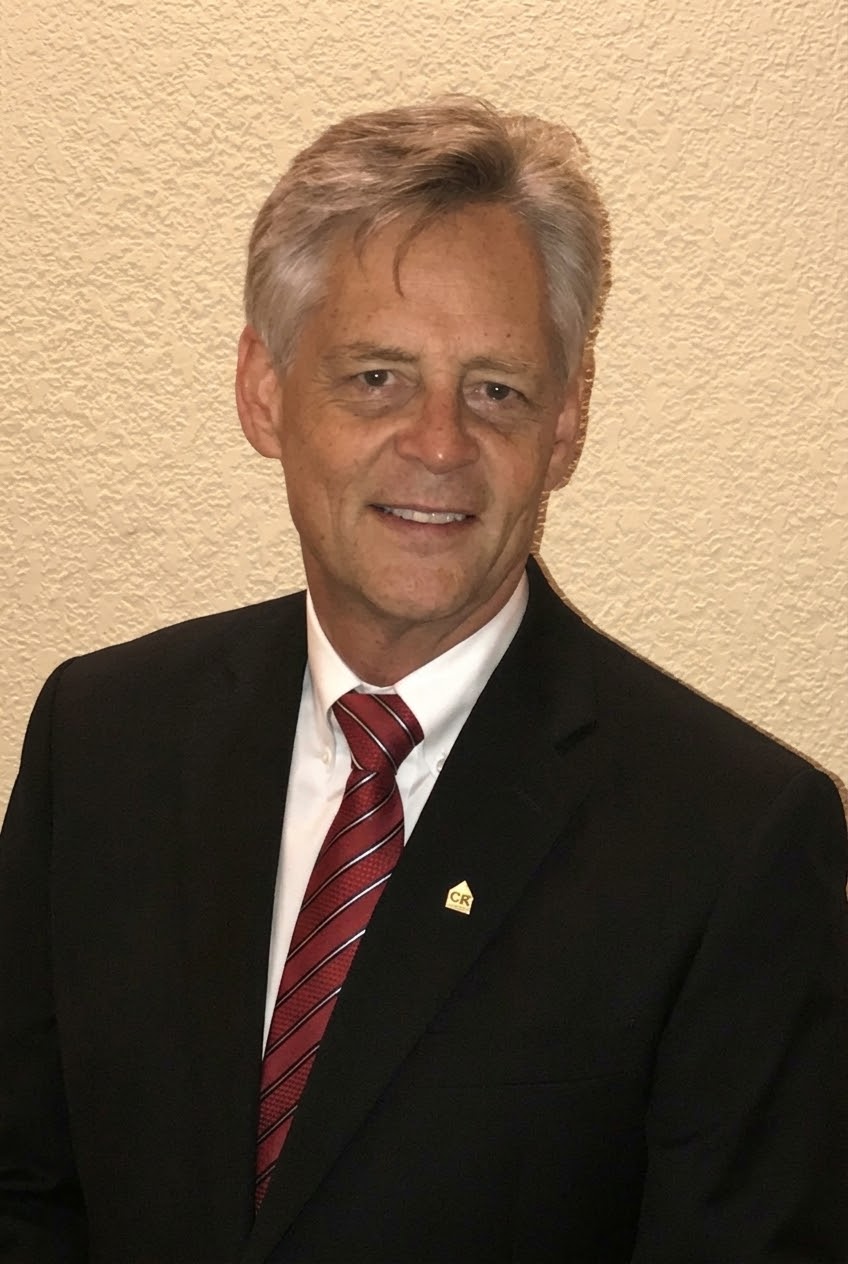
Larsen holds many of the industry's highest honors and master-level designations, issued primarily by the IICRC (Institute of Inspection, Cleaning and Restoration Certification) and the RIA (Restoration Industry Association).
Ken Larsen’s most significant contribution to the literature of structural drying and building science is his seminal reference textbook:
Now in its 4th edition, this massive, 500+ page technical volume is widely considered "the bible" for advanced structural drying.
He has also contributed to numerous IICRC standards, curriculum guides, audio/visual training materials, and trade publication articles on moisture mapping, category classification, and mold prevention.
Larsen's impact on the industry centers on shifting water damage restoration from an intuitive art form into an exact, science-based discipline.
1. Popularizing Applied Psychrometrics
Larsen helped normalize the use of psychrometric properties—such as vapor pressure differentials, grain depression, humidity ratio, and dew point—as daily operational metrics for restoration crews. His core thesis, often quoted in the industry, emphasizes that:
"Restorative drying is the result of producing an imbalanced vapor pressure between the wet materials and the adjacent environment so as to encourage the release of excess moisture..."
2. Standardization of Commercial Drying
Larsen played an active role in formalizing how large-scale, multi-story, and complex commercial buildings are dried. His work helped establish standard methodologies for handling heavy building materials (dense concrete, gypsum underlayment, multi-layer drywall systems, shear walls) that do not respond to basic residential drying techniques.
3. Elevating Standard of Care & Documentation
Larsen has consistently advocated for rigor in moisture mapping and dry standards. He introduced methodologies to score wet materials based on reference scales and quantitative readings rather than arbitrary visual checks. His work has helped bridge the gap between restoration contractors, insurance adjusters, industrial hygienists, and structural engineers, providing a common scientific language for all stakeholders.
Tell us what you are seeing, what has been proposed, or what decision you are evaluating. We will help determine the right next step.

