Concrete Moisture & Flooring Failures
Understand what is happening beneath your floor before investing in another repair.
Bubbling vinyl. Lifting planks. Loose flooring. Persistent dampness or musty odors.
When flooring develops problems, the damage you see may be only part of the story. Moisture in—and above—a concrete slab can affect the flooring, the adhesive, and the materials concealed beneath it.
Building Science Advisors helps homeowners understand why these problems occur and what needs to be addressed. Our independent investigation connects the condition of your floor with the moisture sources, installation history, and indoor conditions affecting your home.
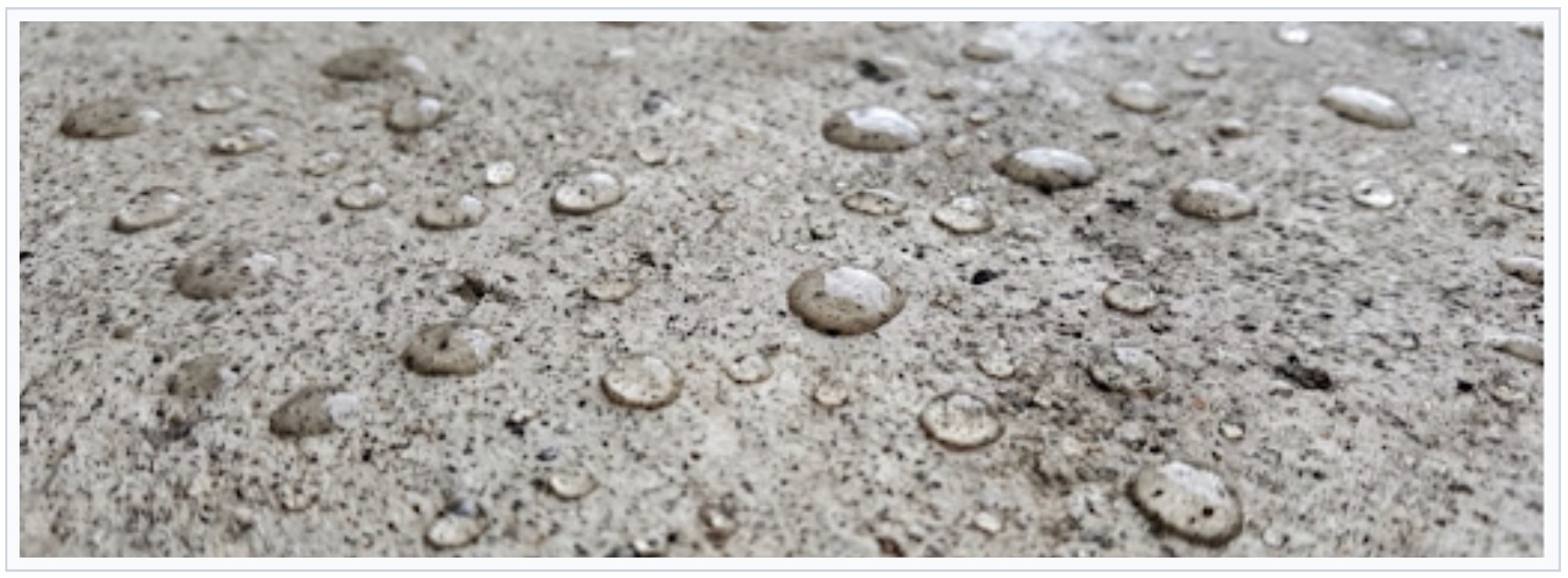
Concrete Can Look Dry and Still Contain Excess Moisture
Concrete contains a network of pores that can hold and transport moisture. A surface that looks dry does not necessarily tell you what is happening within the slab or beneath a floor covering.
Moisture may remain from construction or enter later through leaks, water intrusion, or contact with damp ground. Indoor humidity and surface temperature can also influence moisture conditions.
That is why a flooring problem needs more than a visual inspection—or an assumption that the slab is simply “too old to be wet.” Understanding the source and behavior of moisture is essential to understanding the failure.
More Than Vapor Drive: Liquid Water Matters
You may hear concrete moisture problems described as “vapor coming up through the slab.” Vapor movement can be part of the explanation, but it does not account for every wet floor.
Liquid water can enter through a plumbing leak, flooding, or other water intrusion. It can move through connected pores in concrete by capillary action. Water vapor can also become liquid condensation when it encounters a sufficiently cold surface.
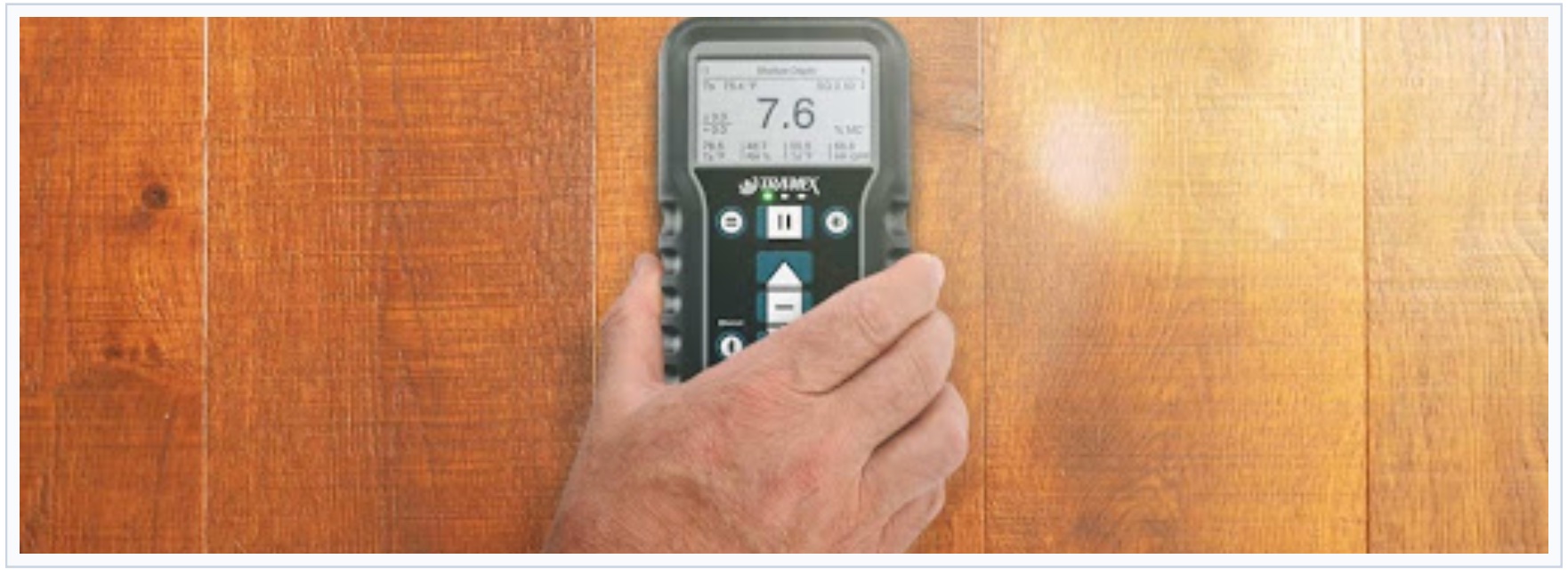
These processes behave differently. Identifying which ones are involved matters because a repair aimed at one moisture mechanism may leave another unresolved.
A wet floor tells you there is a problem. It does not, by itself, tell you where the water came from.
What Happens When Moisture Is Trapped Beneath Flooring?
A floor covering changes how readily moisture can leave the concrete surface. Materials that greatly restrict drying can allow moisture to persist at the boundary between the slab and the flooring.
Depending on the materials and conditions, the consequences can include:
- Adhesive that remains soft, wet, or poorly bonded.
- Flooring that bubbles, lifts, separates, or loses adhesion.
- Moisture damage to susceptible flooring, backing, or underlayment.
- Persistent odors or microbial growth where moisture and suitable materials are present.
Even flooring marketed as “waterproof” needs to be considered as part of a complete assembly. The condition of the concrete, adhesive, and concealed materials still matters.
Replacing the visible flooring without understanding the moisture conditions can put the replacement floor at risk.
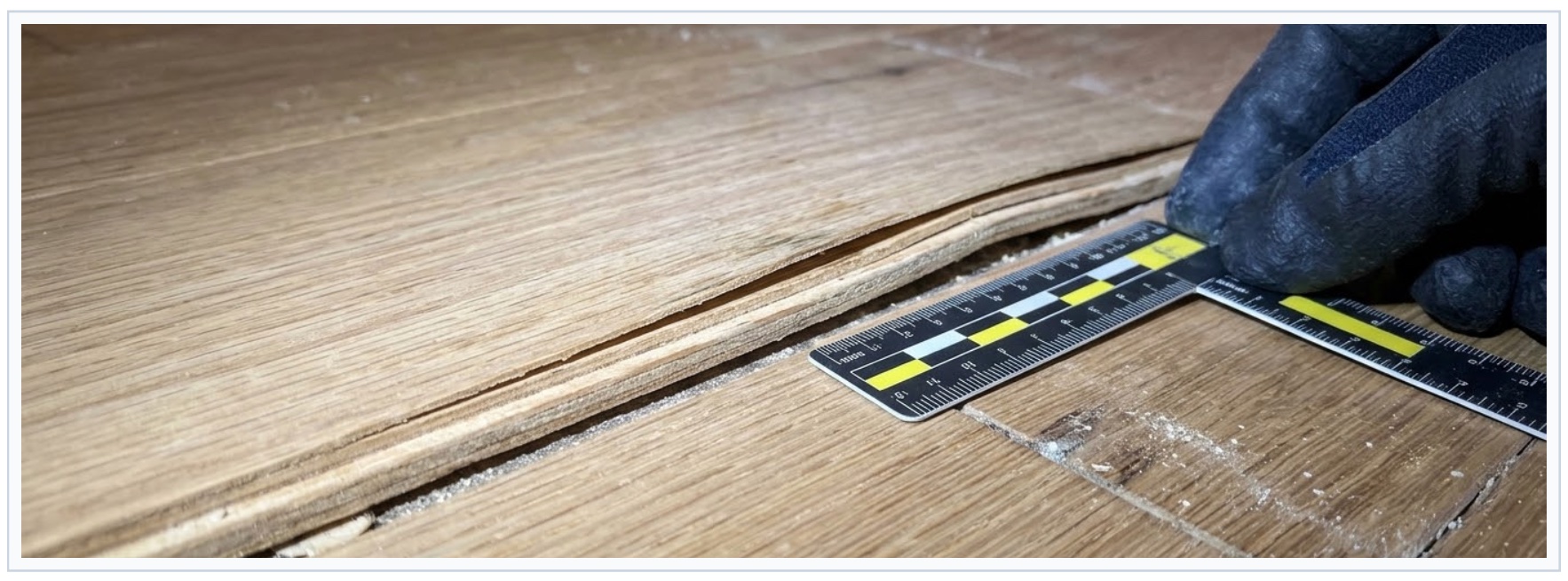
Did the Adhesive Break Down—or Never Develop Its Intended Bond?
Wet or softened adhesive is often described as “re-emulsified.” That description can imply that the adhesive cured correctly and later returned to a liquid state.
In some failures, excessive moisture or unsuitable installation conditions prevented the adhesive from drying, setting, or curing as intended in the first place. The result may look like adhesive that broke down, even though a sound bond never fully developed.
Adhesive chemistry matters, too. Different products respond differently to moisture, alkalinity, and installation conditions. Soft adhesive alone cannot establish the sequence of events.
BSA investigates the evidence behind the failure rather than relying on a label. Understanding whether the bond failed to develop—or deteriorated afterward—helps explain what a successful repair must address.
Why Would an Older Slab Develop a New Problem?
A floor may perform satisfactorily for years before problems appear after a renovation.
Changing the floor covering can change the slab’s ability to dry. A leak may introduce new water. Changes in air conditioning, indoor humidity, or occupancy can also alter conditions around the floor.
The fact that an earlier floor performed well is useful history. It does not establish that a different flooring system will perform the same way.
BSA considers what changed, when symptoms appeared, and how those changes relate to the evidence beneath the floor.

A Moisture Reading Is Only Part of the Investigation
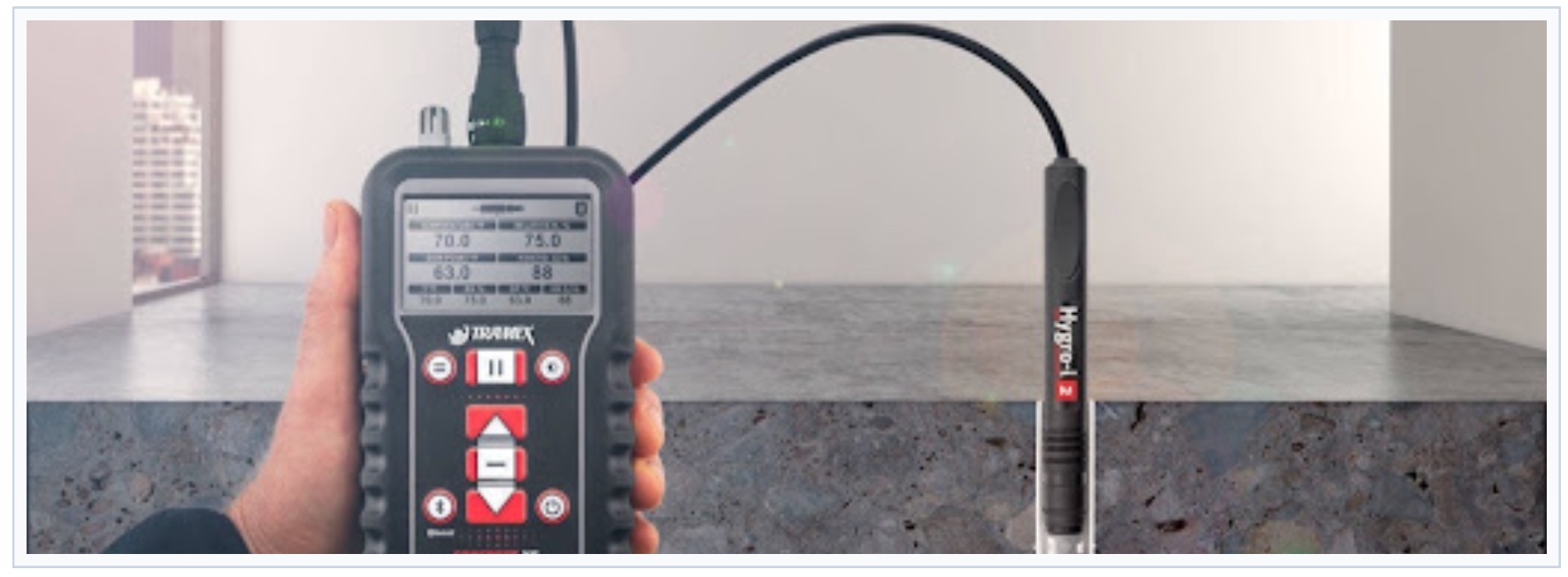
Different tests answer different questions. Moisture content, internal relative humidity, and vapor emission describe different aspects of concrete moisture; they are not interchangeable measurements.
Conditions near the bonding surface and at the time of installation also deserve attention. A test result becomes useful when it is interpreted alongside the flooring requirements, building conditions, and observed damage.
How Building Science Advisors Helps
BSA brings an independent building science perspective to flooring and concrete moisture problems. We consider how the slab, flooring, moisture sources, indoor environment, and surrounding building systems interact.
Depending on your situation, an investigation may include reviewing the failure history, documenting moisture patterns, evaluating environmental conditions, and selecting appropriate targeted testing.
Our role is to turn those findings into a clear explanation and a practical scope for corrective work. BSA can also review proposed repairs and verify completed work within the agreed scope.
You gain an advisor focused on diagnosis, with no financial interest in selling the replacement floor or performing the repair.
Before You Replace the Floor, Understand Why It Failed
Flooring problems can disrupt your home and leave you facing conflicting explanations and expensive decisions.Building Science Advisors helps you move forward with evidence, an understandable explanation, and recommendations specific to your home.
Schedule a Consultation with BSA
Call 561-868-1010

